
Heat Shrinkable Anode Cap for Cathodic Protection
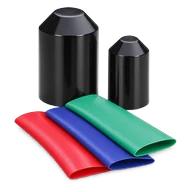
Anode Cap is a cross-linked polyolefin cap with a rubber-based mastic lining that seals and stress-relieves the lead-wire-to-anode connection in cathodic protection systems, sealed to IP68 and rated -55°C to +100°C.
- ASTM D638
- ASTM D792
- ASTM D2240
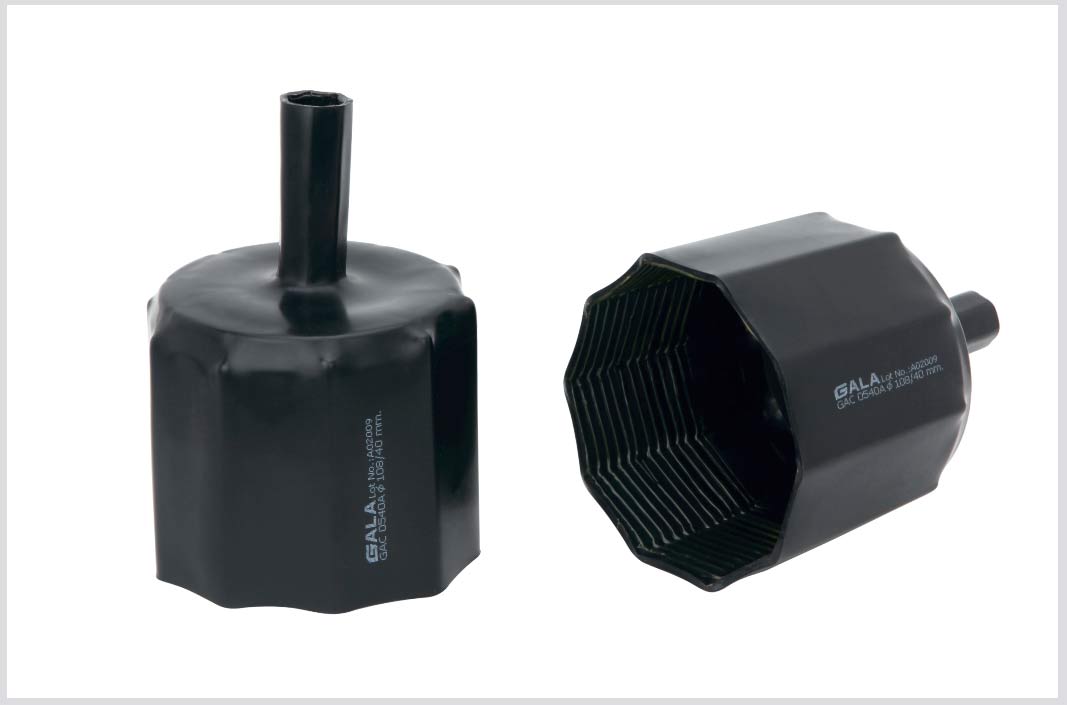
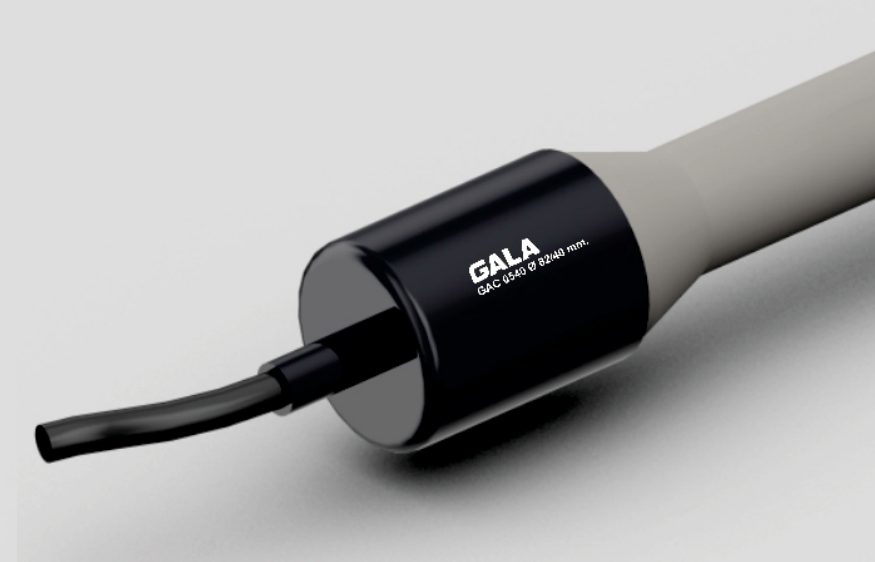
Choose a size
Selection Chart
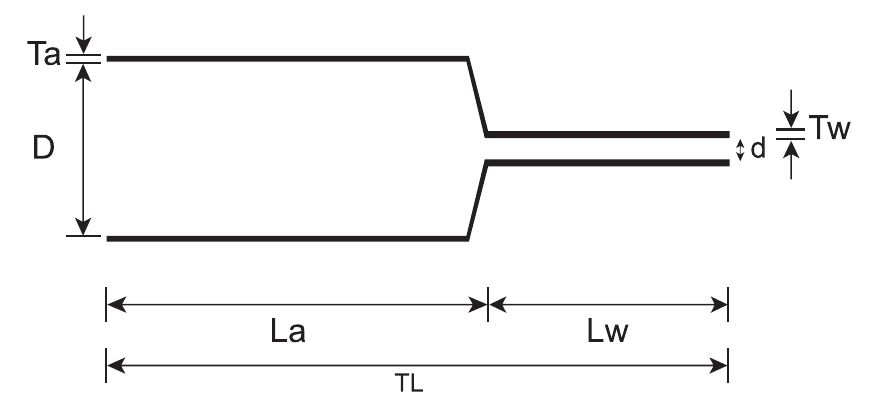
- D, d
- Internal diameter — D at the anode end, d at the lead-wire end
- s / f
- s: as supplied; f: after free recovery
- TL, La, Lw
- Total length, anode-end length, wire-end length
- Ta, Tw
- Wall thickness of the anode end and the lead-wire end after recovery
| Code | Ds(min.) | Df(max.) | ds(min.) | df(max.) | TL supplied | La supplied | Lw supplied | TL recovered | La recovered | Lw recovered | Ta(±10%) | Tw(±10%) |
|---|---|---|---|---|---|---|---|---|---|---|---|---|
| GAC 0420 | 41 | 20 | 13 | 4.5 | 120 | 55 | 65 | 135 | 65 | 70 | 3.5 | 2.5 |
| GAC 0420A | 50 | 20 | 14 | 4.5 | 115 | 55 | 60 | 135 | 63 | 70 | 3.5 | 2.5 |
| GAC 0540 | 82 | 40 | 16 | 5.0 | 150 | 85 | 65 | 180 | 116 | 64 | 4.7 | 3.7 |
| GAC 0540A | 108 | 40 | 16 | 5.0 | 140 | 80 | 60 | 180 | 116 | 64 | 4.8 | 3.8 |
| GAC 0550S | 108 | 50 | 20 | 5.5 | 180 | 90 | 90 | 250 | 140 | 110 | 4.7 | 3.9 |
| GAC 0550 | 145 | 50 | 20 | 5.5 | 175 | 90 | 85 | 250 | 140 | 110 | 4.7 | 3.9 |
Lengths ±2%. Source: GALA ANODECAP catalogue sheet, Issue 2, January 2024.
Material properties
Technical Specification
| Properties | Value | Standard |
|---|---|---|
| Physical | ||
| Tensile Strength | 12 N/mm² (Mpa) (min.) | ASTM D638 |
| Ultimate Elongation | 350 % (min) | ASTM D638 |
| Density | 1.1 gm/cm³(max.) | ASTM D792 |
| Hardness | 45 ±10 Shore D | ASTM D2240 |
| Water absorption | 0.2 % (max.) | ASTM D570 |
| Corrosion | Non-corrosive | ASTM D2671 |
| Thermal | ||
| Accelerated ageing | (120 °C for 500 hrs) | ASTM D2671 |
| Tensile Strength | 11 N/mm² (Mpa) (min.) | ASTM D638 |
| Ultimate Elongation | 300 % (min.) | ASTM D638 |
| Low Temperature Flexibility (-40 °C for 4 hrs.) | No Cracking | ASTM D2671 |
| Heat Shock (250 °C for 30 min.) | No cracking or flowing | ESI 09-11 |
| Shrink Temperature | 125 °C | IEC 216 |
| Operating Temperature | -55 to +100 °C | IEC 216 |
| Electrical | ||
| Dielectric Strength | 12 KV/mm.(min) | ASTM D149 |
| Volume Resistivity | 1 x 10¹⁴ Ohm.cm (min) | ASTM D257 |
| Dielectric constant | 5 (max.) | ASTM D150 |
Source: GALA ANODECAP catalogue sheet, Issue 2, January 2024.
Dimensions & Drawings
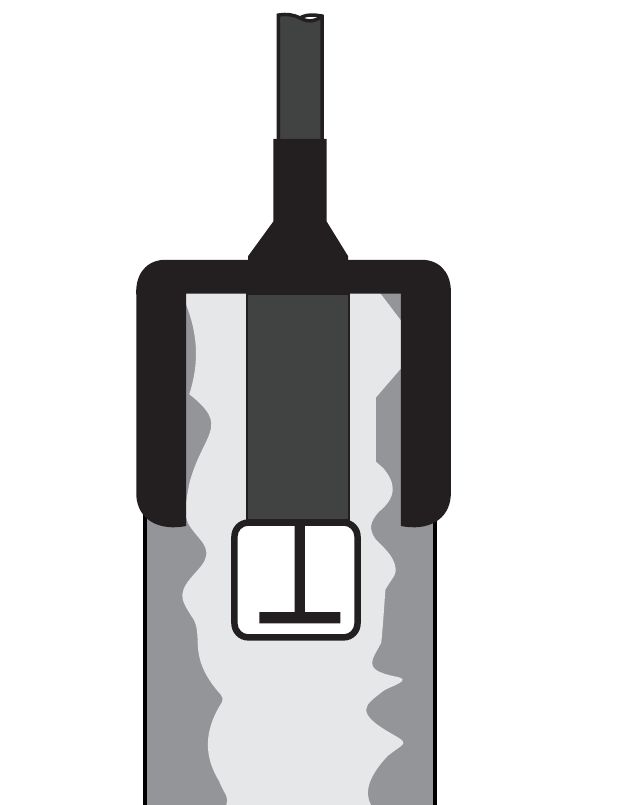
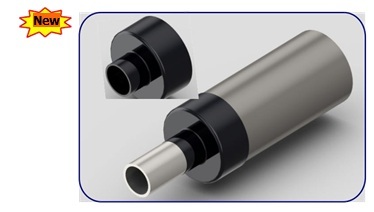
Anode cap is Heat Shrinkable Cap , used to seal and protect the critical connection between the lead wire and anode.
It provides stress relief, moisture proofing and electrical insulation at the lead wire exit point. It is the ideal solution to the problem of premature system failure due to corrosion causing lead wire to come out of the anode.
Read the full overview
It is made from a highly Cross-linked Polyolefin material. Rubber based mastic coating inside the cap adheres to Anode material and wire insulation which provides water tight sealing according to IP 68 (Ingress Protection).
D,d : Internal Diameter; s : as supplied; f; after free recovery; Ta, Tw: Thickness of Anode & Lead Wire End
Covered on this page
- Anode Cap
Features & Benefits
- Non-corrosive (ASTM D2671); operating temperature -55°C to +100°C, shrink temperature 125°C (IEC 216)
- Rubber-based mastic coating inside the cap adheres to anode material and wire insulation, sealing to IP68
- Tensile strength 12 N/mm² min, elongation 350% min (ASTM D638)
- Hardness 45±10 Shore D (ASTM D2240); density 1.1 g/cm³ max (ASTM D792)
- Low-temperature flexibility: no cracking at -40°C for 4 hrs (ASTM D2671)
- Dielectric strength 12 kV/mm min, volume resistivity 1×10¹⁴ Ω·cm min (ASTM D149 / D257)
- GAC size range from GAC 0420 to GAC 0550
Applications
- Sealing the lead-wire-to-anode connection in pipeline cathodic protection systems
- Stress relief, moisture proofing and electrical insulation at the lead wire exit point
- Preventing premature system failure from corrosion pulling the lead wire out of the anode
Standards & Compliance
- ASTM D638
- ASTM D792
- ASTM D2240
- ASTM D570
- ASTM D2671
- ASTM D149
- ASTM D257
- ASTM D150
- IEC 216
- ESI 09-11
FAQs
Frequently Asked Questions
What is the Heat Shrinkable Anode Cap for Cathodic Protection used for?
It is used for:
- Sealing the lead-wire-to-anode connection in pipeline cathodic protection systems
- Stress relief, moisture proofing and electrical insulation at the lead wire exit point
- Preventing premature system failure from corrosion pulling the lead wire out of the anode
How do I choose the right size?
A heat-shrink part is chosen by two diameters. As supplied (Ds (min.)) it must open wider than the largest thing it has to slide over; after shrinking (Df (max.)) it must close smaller than the smallest thing it has to grip. Measure both on your cable or busbar and pick the first code in the selection chart that satisfies both.
How is it installed?
Clean and degrease the surface, position the part, then shrink it with a gas torch or a hot-air gun: keep the heat moving round it with a smooth, brushing motion so it recovers evenly without scorching. Start at one end and work steadily along to the other.
Which standards and test methods are quoted for it?
These, with the values in the Technical Specification on this page:
- ASTM D638
- ASTM D792
- ASTM D2240
- ASTM D570
- ASTM D2671
- ASTM D149
- ASTM D257
- ASTM D150
- IEC 216
- ESI 09-11
Where can I download the datasheet?
From the "Download datasheet" button at the top of this page, or here:
Can I get a quote, a sample or a size that is not listed?
Send your cable details, quantity and application with the "Request a Quote or Sample" form at the foot of this page. For a size or variant that is not in the chart, describe what you need there, or use Technical support at the top of the page, and the technical team will confirm what can be supplied.

47+
Years manufacturing

100+
Countries served
140
Products in range

ISO 9001:2015
Certified & tested