
Busbar Insulating Shroud (BUSBOOT Polyolefin)
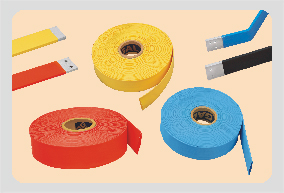
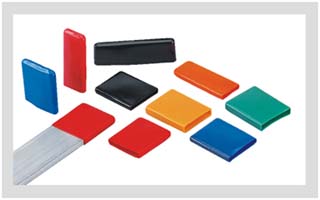
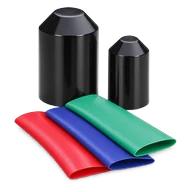
Busboot-Polyolefin is a flexible electrical-insulating boot/shroud for busbar and switchgear connections up to 36 kV, moulded from cross-linked polyolefin, halogen free, with a minimum wall of 1.0 mm at 12 kV rising to 2.5 mm at 36 kV.
- ASTM D149
- ASTM D150
- ASTM D257
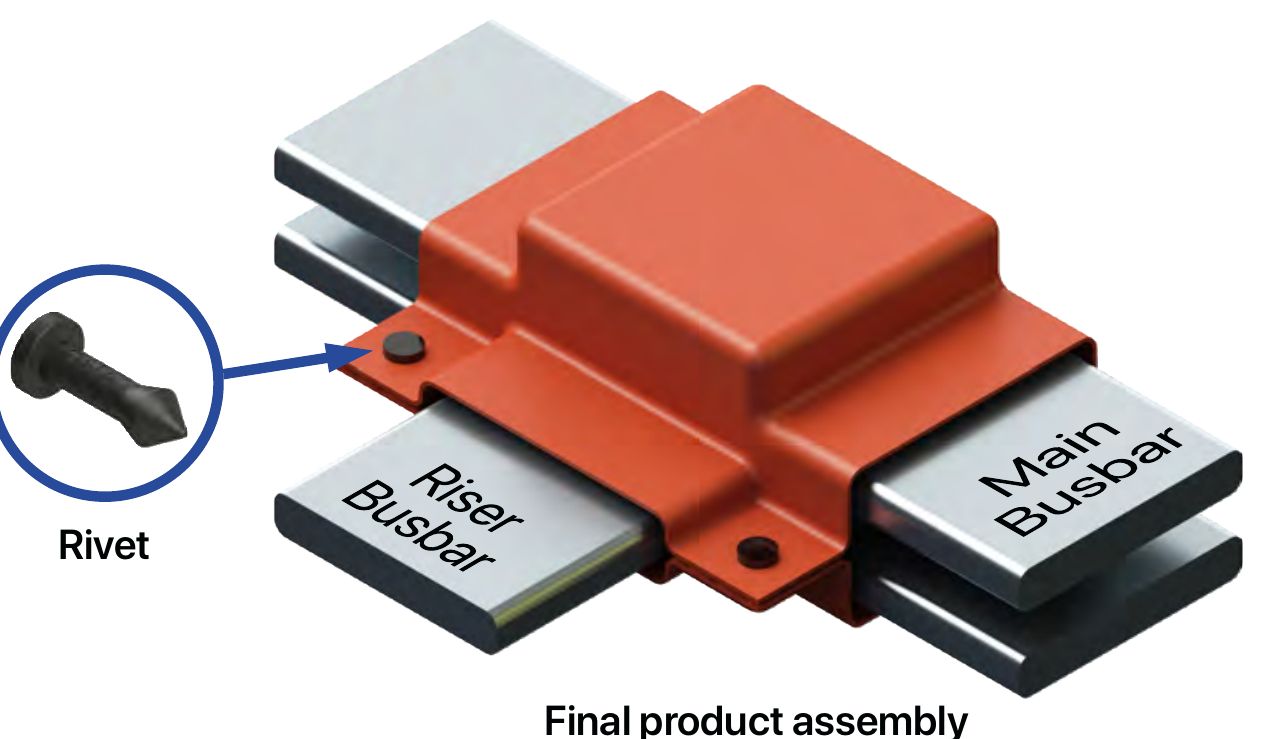
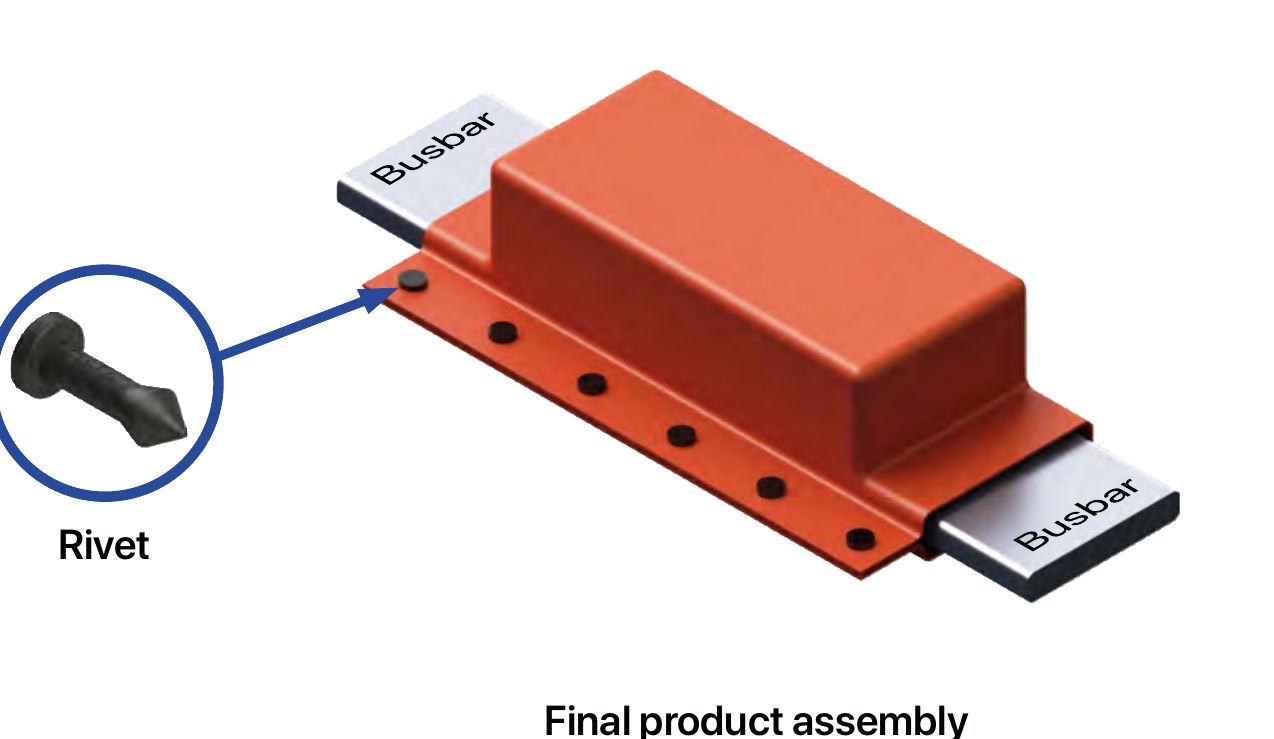
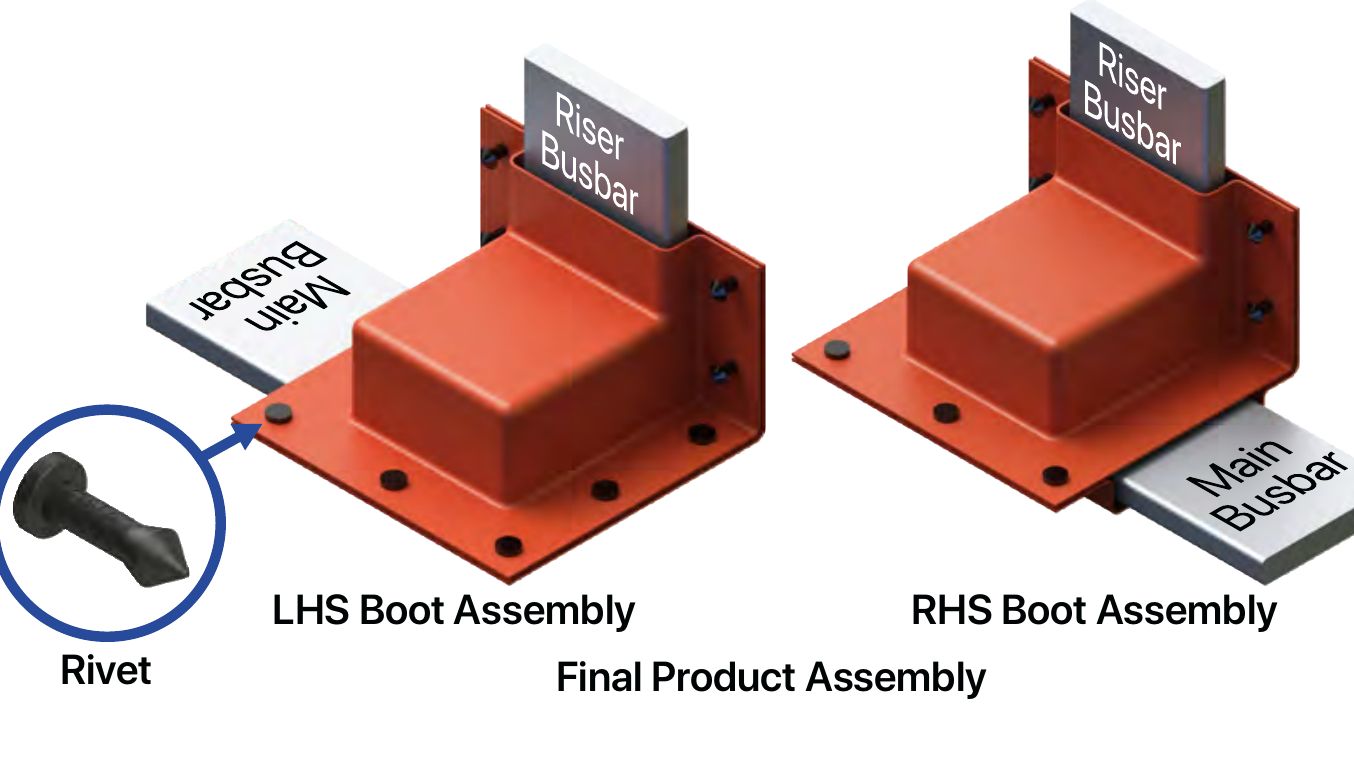
Choose a size
Selection Chart
| Voltage | Thickness(min) |
|---|---|
| 12.0 kV | 1.0 mm |
| 18.0 kV | 1.4 mm |
| 24.0 kV | 1.8 mm |
| 36.0 kV | 2.5 mm |
Source: GALA BUSBOOT Polyolefin catalogue sheet, Issue 2, February 2024.
Material properties
Technical Specification
| TEST DESCRIPTION | RECORDED VALUE | TEST METHOD |
|---|---|---|
| Physical | ||
| Tensile Strength | 9 N/mm² (MPA)(min.) | ASTM D638 |
| Ultimate Elongation | 300% (Min.) | ASTM D638 |
| Water Absorption | 0.5% (max.) | ASTM D570 |
| Hardness | 45 ± 10 Shore D | ASTM D2240 |
| Thermal | ||
| Low temperature Flexibility (-40 °C for 4 Hrs.) | No Cracking | ASTM D2671 |
| Heat Shock (90 °C for 30 Min.) | No Cracking or flowing | ESI 09-11 |
| Continuous Temperature limit | -40 °C to +115 °C | IEC 216 |
| Accelerated ageing | Pass | ASTM D2671 |
| Tensile Strength | 10 N/mm² (Mpa) (min.) | ASTM D 638 |
| Ultimate Elongation | 250% (Min.) | ASTM D 638 |
| Shrink Temperature | 125 °C | IEC 216 |
| Electrical | ||
| Dielectric Strength | 22 kV/mm. (Min.) | ASTM D149 |
| Volume Resistivity | 1 × 10¹³ Ohm.cm(min.) | ASTM D257 |
| Dielectric Constant | 5 (Max.) | ASTM D150 |
| Resistant to track & erosion | No Tracking, erosion or flame failure up to 3.25 KV for 20 min. | ASTM D2303 |
Dimensions & Drawings
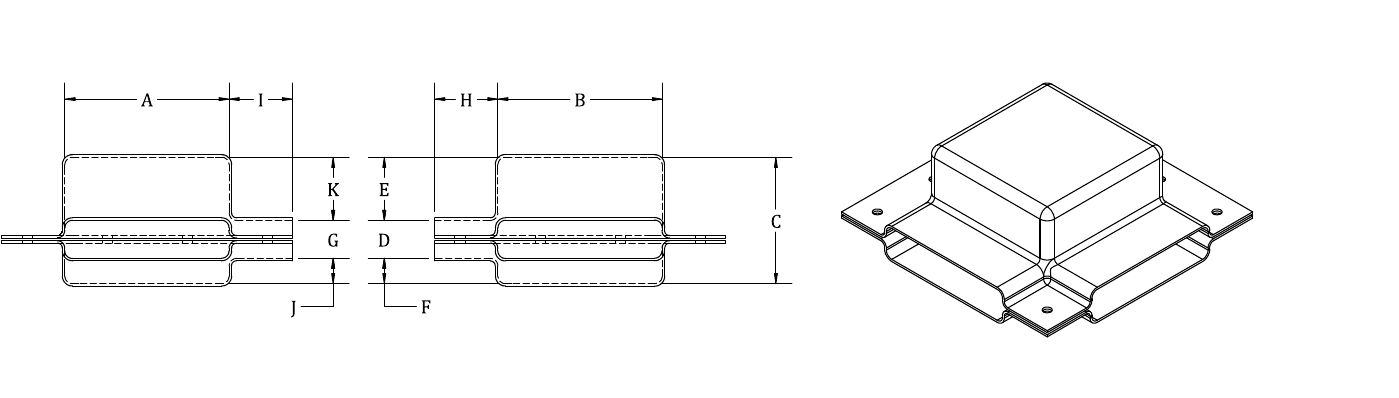
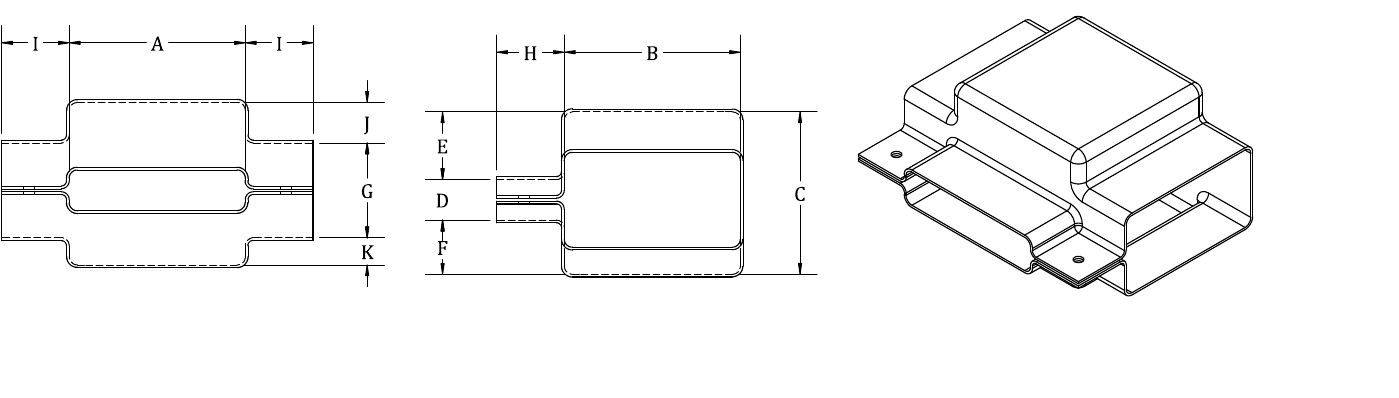
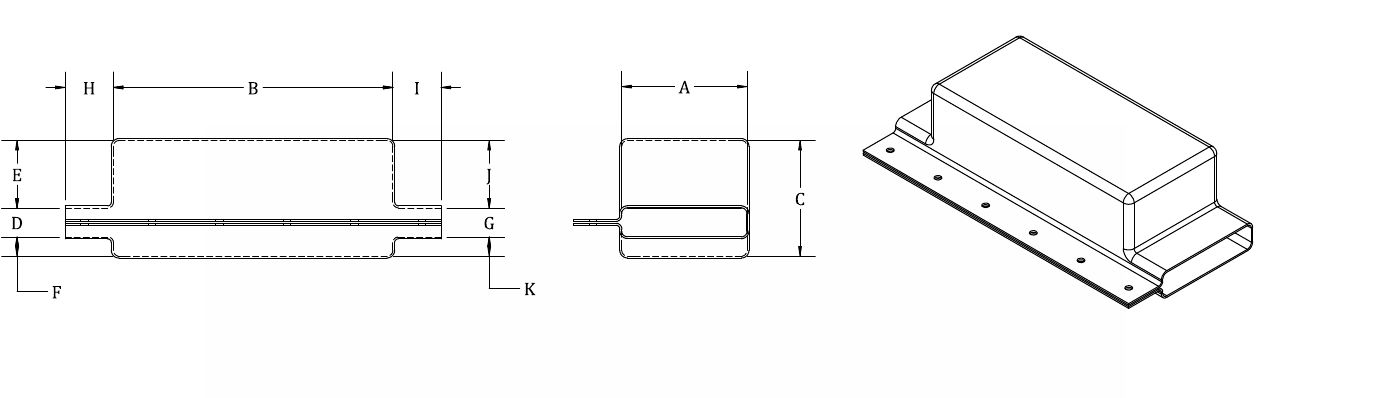
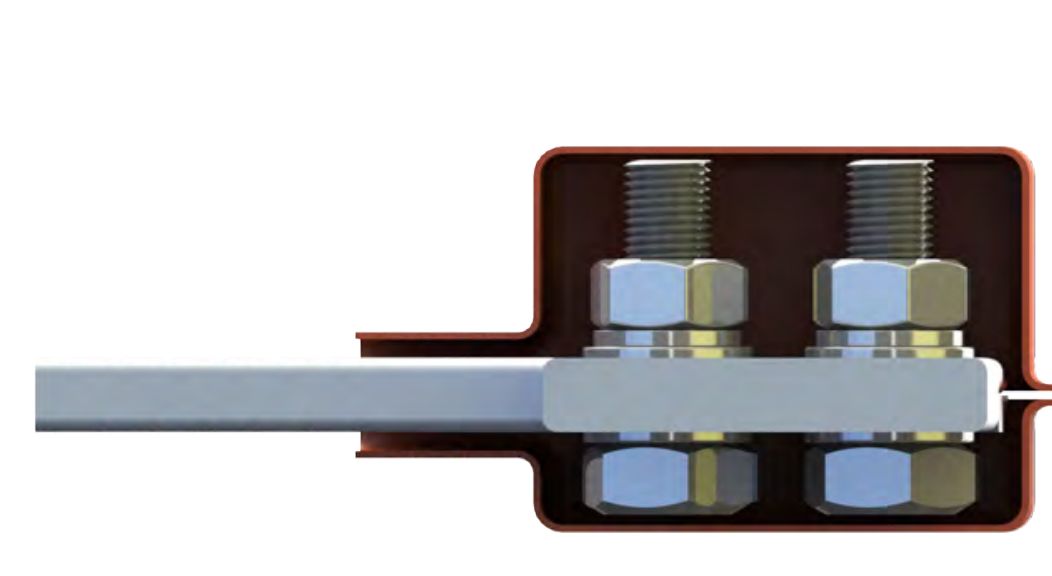
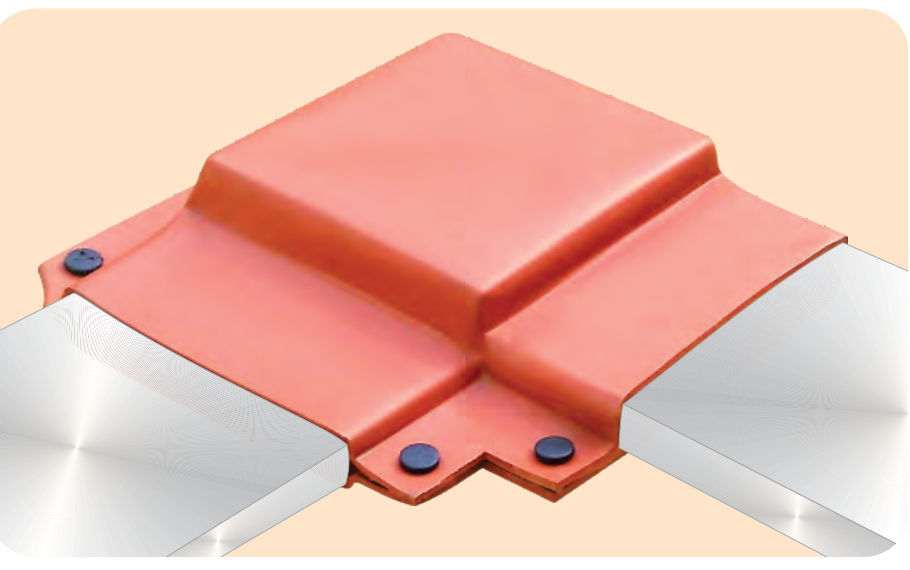
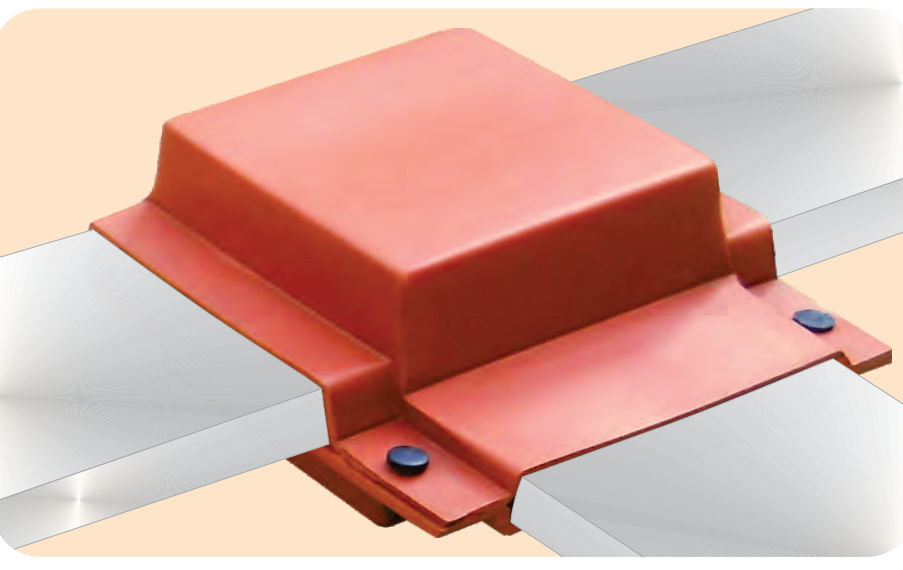
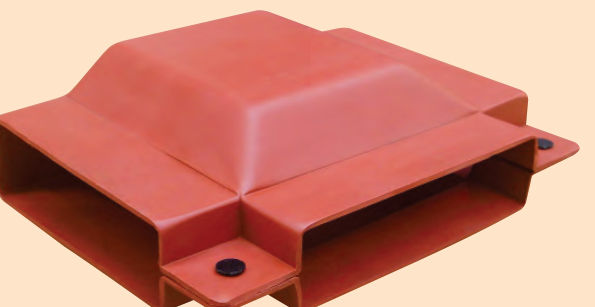
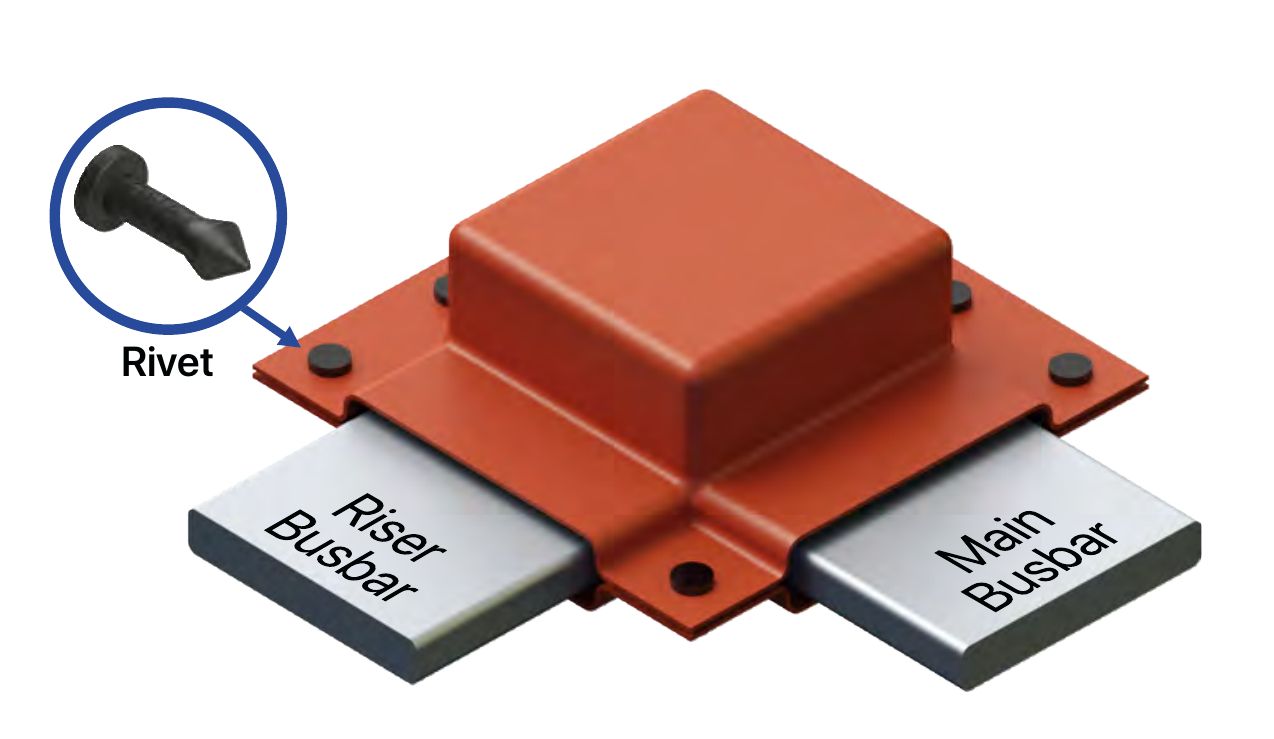
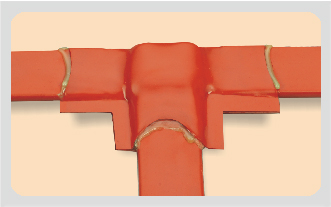
Busboot-Polyolefin installs, removes or replaces in minutes over any busbar joint shape or connection, including tees and elbows.
Reducing air clearance around the connection lets the panel be designed smaller, cutting material cost through shorter busbar lengths and less sheet metal.
Covered on this page
- Bus Bar Insulating Shrouds - BUSBOOT POLYOLEFIN
Features & Benefits
- Minimum thickness by voltage: 12 kV = 1.0 mm, 18 kV = 1.4 mm, 24 kV = 1.8 mm, 36 kV = 2.5 mm
- Cross-linked polyolefin: continuous temperature limit −40°C to +115°C (IEC 216)
- Dielectric strength 22 kV/mm (min., ASTM D149); volume resistivity 1 × 10¹³ Ohm·cm (min., ASTM D257)
- Halogen free; resistant to UV, ozone and chemical corrosion (acid, alkali, salt)
- Easy to install or remove as often as required
Applications
- Insulating busbar and switchgear connections up to 36 kV
- Insulating busbar joints of any shape or connection (tees, elbows, etc.)
- Compact panel design — reduces air clearance and material cost
Standards & Compliance
- ASTM D149
- ASTM D150
- ASTM D257
- ASTM D570
- ASTM D638
- ASTM D2240
- ASTM D2671
- ESI 09-11
- IEC 216
FAQs
Frequently Asked Questions
What is the Busbar Insulating Shroud used for?
It is used for:
- Insulating busbar and switchgear connections up to 36 kV
- Insulating busbar joints of any shape or connection (tees, elbows, etc.)
- Compact panel design — reduces air clearance and material cost
How do I choose the right size?
Use the selection chart on this page: it lists every code with its dimensions. If you are not sure which fits, send the dimensions you are working to with the form below.
Which standards and test methods are quoted for it?
These, with the values in the Technical Specification on this page:
- ASTM D149
- ASTM D150
- ASTM D257
- ASTM D570
- ASTM D638
- ASTM D2240
- ASTM D2671
- ESI 09-11
- IEC 216
Where can I download the datasheet?
From the "Download datasheet" button at the top of this page, or here:
Can I get a quote, a sample or a size that is not listed?
Send your cable details, quantity and application with the "Request a Quote or Sample" form at the foot of this page. For a size or variant that is not in the chart, describe what you need there, or use Technical support at the top of the page, and the technical team will confirm what can be supplied.

47+
Years manufacturing

100+
Countries served
140
Products in range

ISO 9001:2015
Certified & tested